
Termite Control in Qatar
Inspection, soil barriers and targeted injection to protect villas and buildings from termites before they cause costly structural damage.
- 5-year guarantee
Available 24/7, with a free consultation
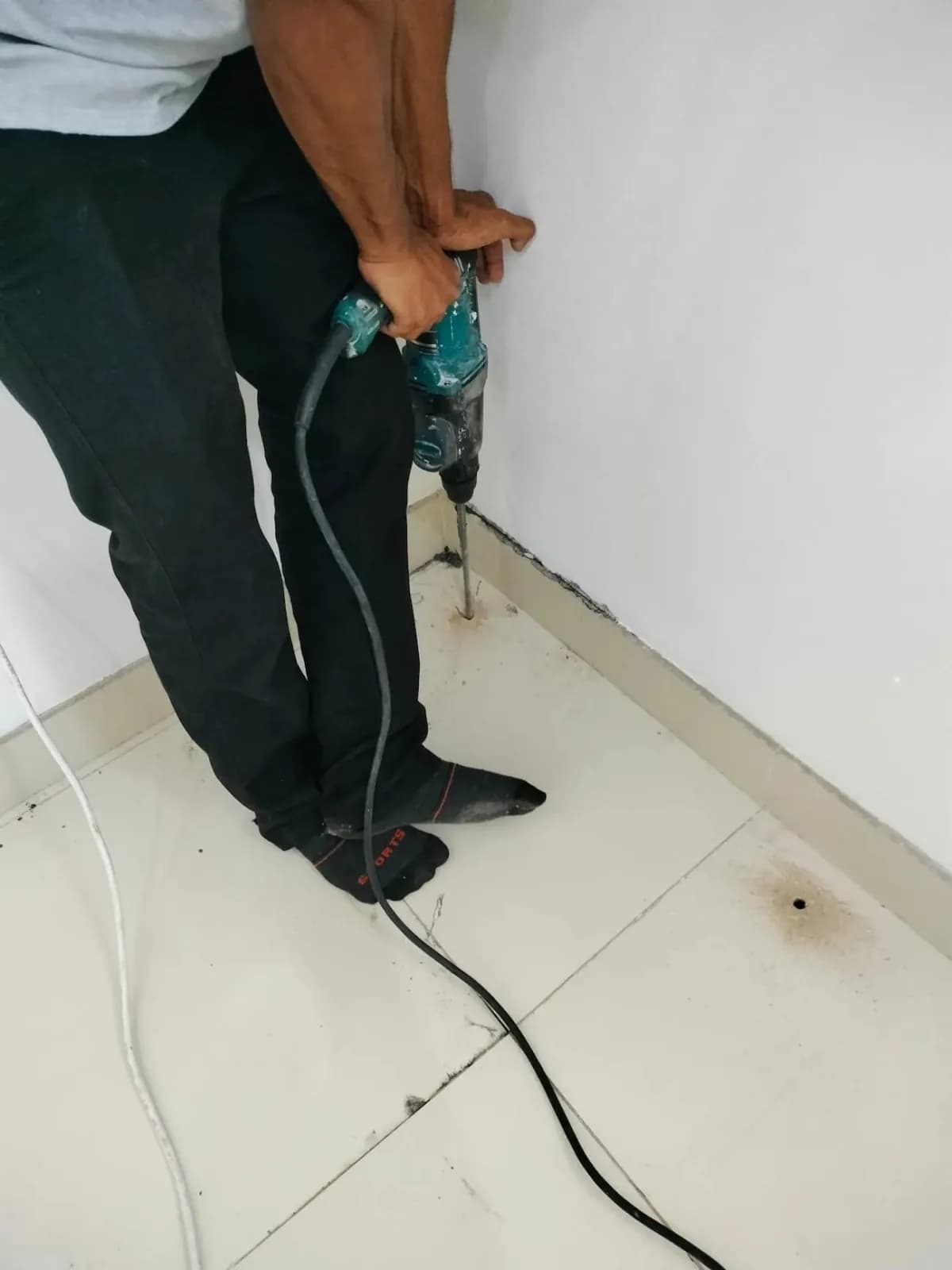
Termites, or white ants as many people in the Gulf call them, are a real risk for homes in Qatar. Most species that attack buildings in the region are subterranean: they live in the soil and build mud tubes to reach wood, eating into door frames, kitchen cabinets, parquet, majlis woodwork and stored papers before you notice them. Garden irrigation and AC leaks help them spread, because they keep the soil around foundations moist. Our termite control service combines careful inspection, chemical barriers and soil injection to eliminate active colonies and protect your property. We work in villas, homes, residential compounds and buildings in Doha, Al Khor and Al Wakrah, and every job starts with an on-site inspection.
Inspection & Diagnosis
Termites work silently inside walls, timber and soil, so visible damage is often the last sign to appear. Our inspection covers the building perimeter, foundations, expansion joints, door and window frames, built-in wardrobes, kitchen cabinets, garden beds and any timber touching the soil. We look for mud tubes, hollow-sounding wood, blistered paint, discarded wings and soil packed into cracks, and use specialised detection tools to trace activity inside walls without unnecessary damage. The findings show where termites are entering and how far they have spread, so the treatment plan targets the real problem.
Chemical Barriers & Soil Injection
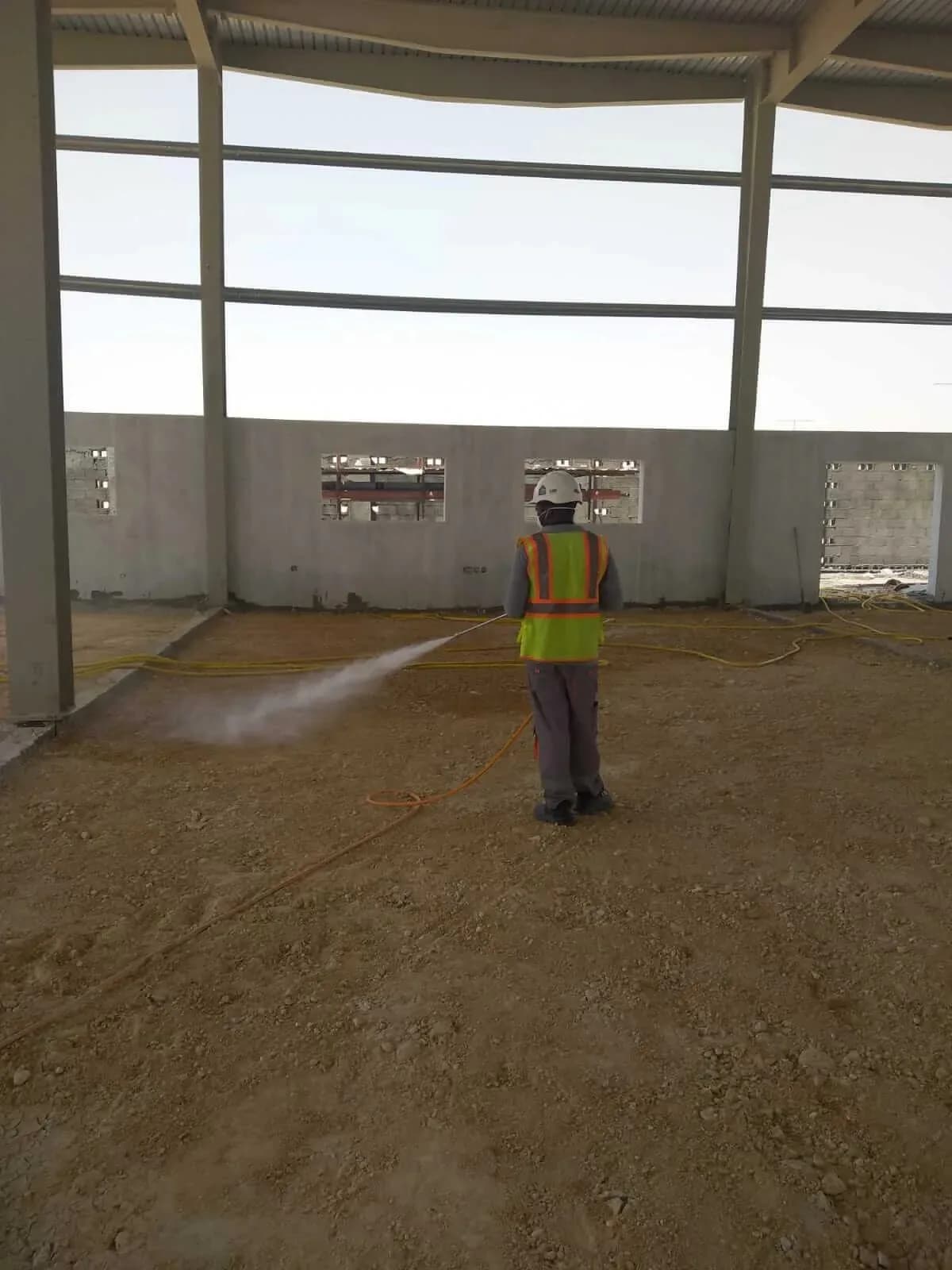
Once we know where termites are entering, we create a continuous treated zone in the soil around the building. Along exposed soil and garden beds, we trench beside the foundation and treat the soil. Under concrete slabs, tiles and paving, we drill small holes, inject termiticide into the soil beneath at label rates, then seal the holes. Infested timber and wall voids receive direct injection to reach active galleries. The aim is to cut termites off from the building and stop new colonies establishing, so the barrier keeps protecting the structure for years while the treated soil stays undisturbed.
Safety, guarantee and cost
Safe, Controlled Application
Termiticides go mainly into the soil and wall voids rather than living spaces, which keeps household exposure to a minimum. We use certified materials, follow label rates closely and take extra care near water tanks, wells and vegetable beds. Drill holes are sealed after injection. Keep children and pets away from treated soil until it has dried, and your technician will confirm when rooms can be used.
Termite Protection Guarantee
Termite treatments are covered by our quality guarantee for 5 years, and we set out its terms in writing before we start. If activity returns in treated areas during this period, we will return to inspect and re-treat as set out in the guarantee terms. The chemical barrier depends on treated soil staying undisturbed, so please tell us before any landscaping, digging or building work.
What Affects the Cost?
Termite work is quoted after inspection, because every building is different. Cost depends on the length of the building perimeter, the area of slabs and paving to drill and inject, the type of property (villa, compound or commercial building), how far termites have spread and how much timber needs direct treatment. Treating early usually costs less than repairing damaged doors, frames and cabinets later, and the consultation is free.
Signs of Termite Activity
- Pencil-thin mud tubes on walls, foundations or skirting boards
- Wood that sounds hollow or crumbles when pressed
- Blistered or bubbling paint on door frames and walls
- Piles of small discarded wings near windows and doors
- Doors and windows that suddenly stick or warp
- Soil or mud packed into cracks and joints
Our Termite Control Process
Inspection & Report
We inspect inside and outside the property, identify entry points and damaged timber, and explain our findings and the recommended treatment before any work starts.
Soil Barrier Treatment
We trench and treat soil around the foundations, and drill and inject under slabs and paving where needed, creating a continuous treated zone termites must cross to enter.
Direct Treatment
Active galleries in door frames, cabinets and wall voids are injected directly, so termites already inside the building are treated as well as those coming from the soil.
Monitoring & Advice
We return after 6 months to check for any remaining activity once treatment is complete, and advise on fixing leaks, managing garden irrigation, reducing soil moisture around the foundations and keeping stored timber and cardboard away from walls.
What Our Clients Say
Good service at reasonable prices. The termites were dealt with effectively. I would have liked more follow-up.
Abdullah Al-Hajri
Umm Salal
Termite Control
Frequently asked questions
How much does termite control cost in Qatar?
Termite treatment is priced after inspection, because cost depends on the building perimeter, the slab and paving area to inject and how widespread the activity is. Call or WhatsApp +974 5048 3231 for a free consultation; we cover Doha, Al Rayyan, Al Wakrah, Al Khor, Umm Salal and Lusail.
Can termites attack a concrete villa?
Yes. Subterranean termites cannot eat concrete, but they pass through hairline cracks, expansion joints and gaps around pipes, then feed on wooden doors, frames, cabinets, parquet and stored cardboard. Villas with irrigated gardens, older timber or leaks near the foundations are at higher risk.
Do you need to drill into my floors?
Where soil is covered by concrete slabs, tiles or paving, small holes are drilled so termiticide can reach the soil underneath. They are then sealed and finished neatly. We agree exactly where we will drill before starting, especially on marble or decorative floors.
I am building a villa. When should termite treatment be done?
Ideally before the ground-floor slab is poured. Pre-construction treatment applies termiticide to foundation trenches and the compacted soil under the slab, then around the perimeter once walls are complete, creating a continuous barrier that is hard to achieve later. Speak to us early so treatment fits your contractor's schedule.
How can I tell termites from ants?
Winged termites have straight antennae, a thick waist and two pairs of wings of equal length, which they shed soon after landing. Ants have elbowed antennae, a narrow pinched waist and front wings longer than the back ones. If you find wings or mud tubes, send us a photo.
Didn't find your answer?
Ask us on WhatsAppNeed our services?
Get in touch today for a free consultation and a quote tailored to your needs.
Send an Email